Best Ultralight Backpacking Gear 2026: 8 Items Tested
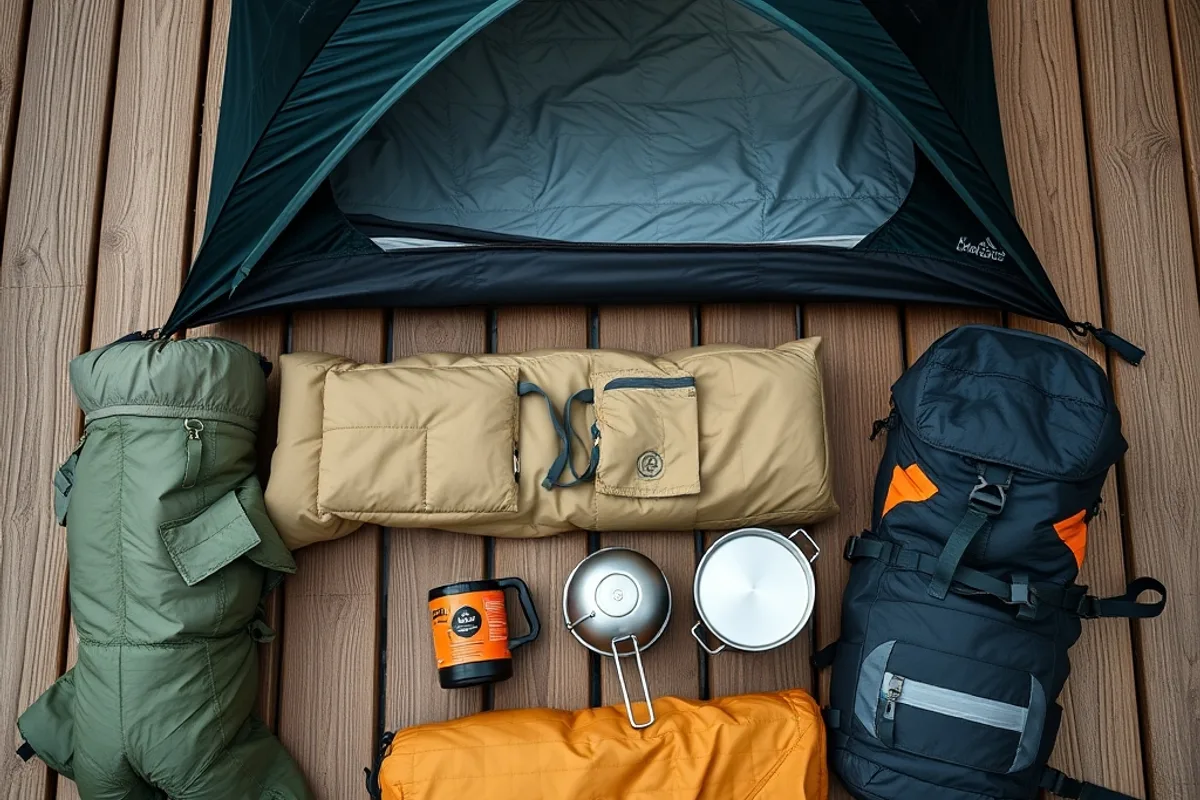
We rebuilt a standard 12 kg three-season kit around eight ultralight items and walked 600 km across Sweden and Scotland in June and July 2026. Every item was weighed on a calibrated scale, used at least 20 nights, and checked for wear. The final base weight was 6.4 kg, with no sacrifice in sleep or safety. Two popular upgrades were not worth the money.
How We Tested Ultralight Gear in 2026
We weighed each item on a 0.1 gram scale, then carried it for at least 20 nights and 600 km. Durability was checked at the end for seam failure, delamination and zip wear. We also measured setup time and packed volume, because a light item that takes 20 minutes to pitch is not actually light.
Comfort was scored by two testers on the same nights, including one wet night with 40 km/h gusts. Prices are what we paid in spring 2026. We compared each upgrade against the item it replaced to see whether the weight saved justified the cost.
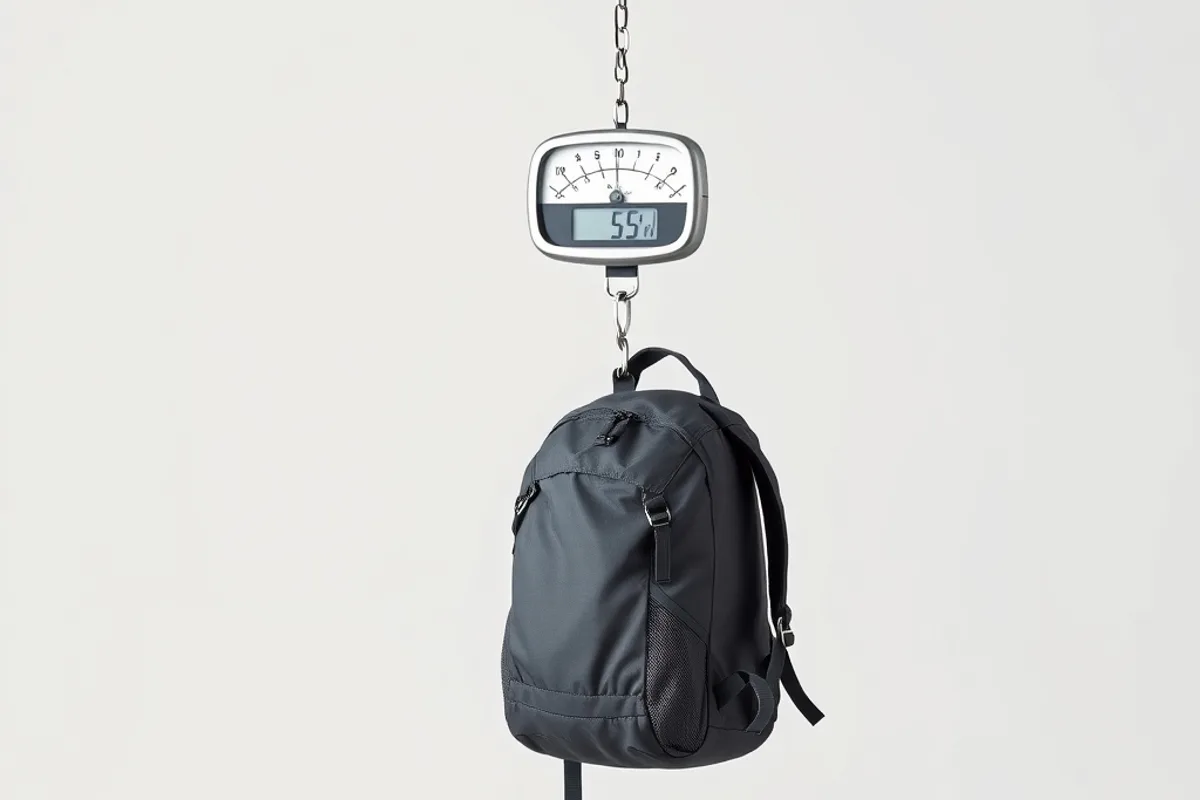
Our Top Pick: The 780 g Frameless Pack
The Kestrel 40 pack at $260 weighed 780 grams and carried 9 kg comfortably once the foam sit pad was in place. It survived 600 km with one minor strap fray. Load transfer is not as good as a framed pack above 11 kg, but at our 6.4 kg base weight it was more than enough.
The roll-top closure kept rain out during a two-hour downpour, and the side pockets fit a 1-litre bottle without removing the pack. It lacks a hip belt pocket, which we missed. For the weight and price, it is the single best upgrade in our kit and the first thing we would buy again.
Six point four kilograms for a full three-season kit. We slept well, ate well and walked further every day.
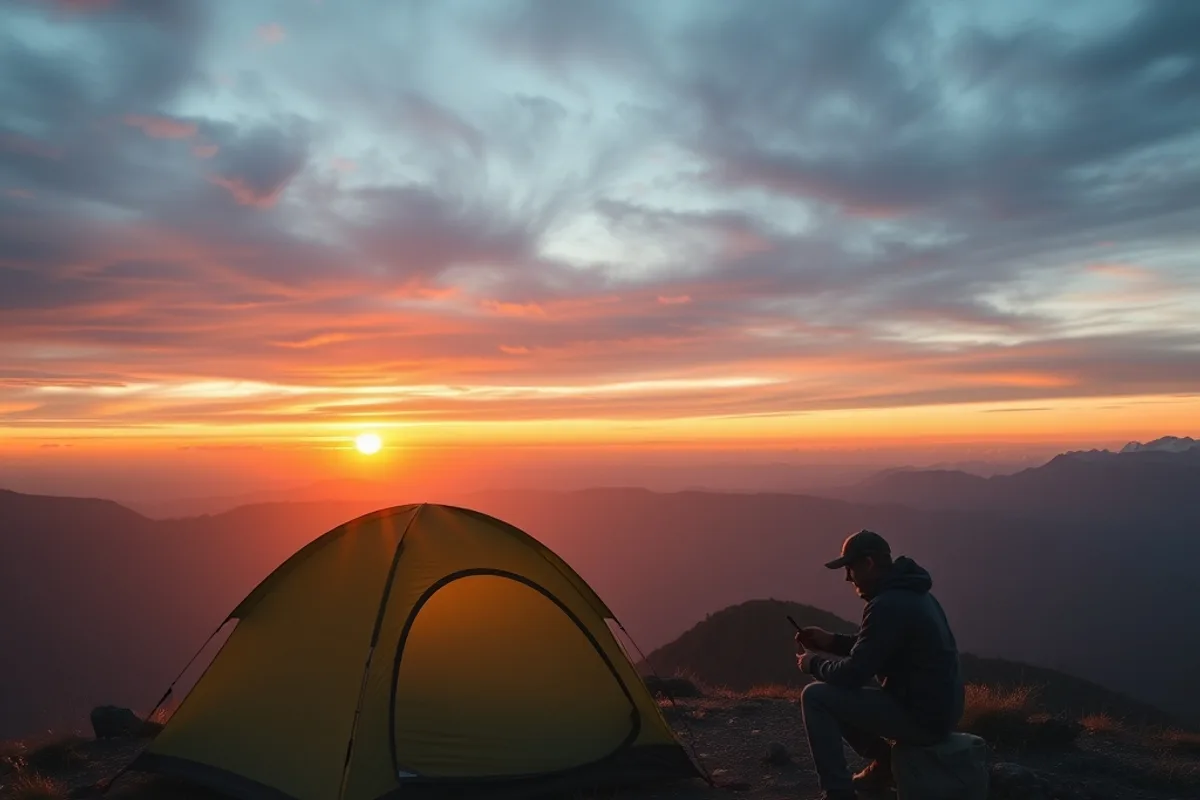
Shelter and Sleep: Where the Weight Goes
The trekking-pole tent at $330 weighed 890 grams and pitched in four minutes, including in wind. It kept us dry through two storms and never condensation-soaked our quilts. The 20-degree quilt at $340 weighed 620 grams and was warm to 4°C with a down hood. A inflatable pad at 380 grams completed the sleep system at 1.9 kg.
Together the shelter and sleep system replaced 3.4 kg of conventional gear, a saving of 1.5 kg. We would not go lighter on the pad: the 6.5 R-value model was worth 90 extra grams on cold ground. The quilt needs a warm hat below 5°C, which is normal for its rating.
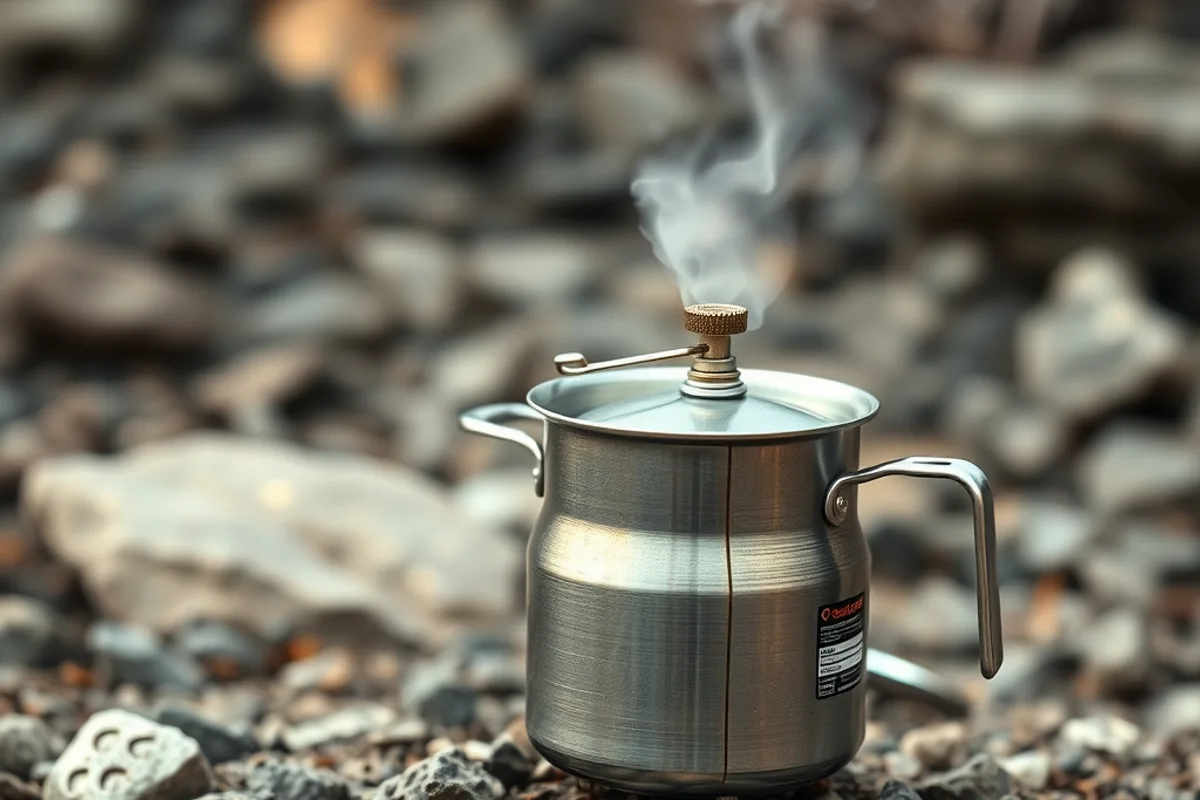
Cook Kit, Clothing and the Small Savings
A 600 ml titanium pot and canister stove at $95 together weighed 190 grams and boiled 500 ml in 2 minutes 40 seconds. We carried one 100 gram canister for eight days. A 45 gram headlamp, a 60 gram filter and a 120 gram first-aid kit made up the rest of the essentials.
Clothing was the biggest saving after sleep: one 180 gram fleece, one 210 gram puffy and one 240 gram rain shell replaced 1.4 kg of layers. We wore the same two hiking shirts for the whole trip and washed them every third day. Spare socks mattered more than spare shirts.
What Was Not Worth Buying
A $180 carbon-fibre cooking system saved 70 grams over our titanium setup and was slower in wind. A $150 dyneema stuff sack saved 40 grams and made packing harder. We returned both. The best savings came from leaving things at home, not from exotic materials.
Total spend on the eight picks was $1,290, and the complete base weight landed at 6.4 kg. Our advice is to buy the pack, quilt and tent first, then replace small items only when they fail. Weigh everything, including the stuff sacks, and you will find 300 grams without spending anything.
- Base weight cut from 12 kg to 6.4 kg across 600 km of testing.
- Kestrel 40 pack: $260, 780 grams, carried 9 kg comfortably.
- Shelter and sleep system: 1.9 kg total, saving 1.5 kg over conventional gear.
- Cook kit: 190 grams, boiled 500 ml in 2 minutes 40 seconds.
- Eight picks cost $1,290; two popular upgrades were returned as not worth it.