Best Backpacking Routes 2026: 7 Long Trails Tested
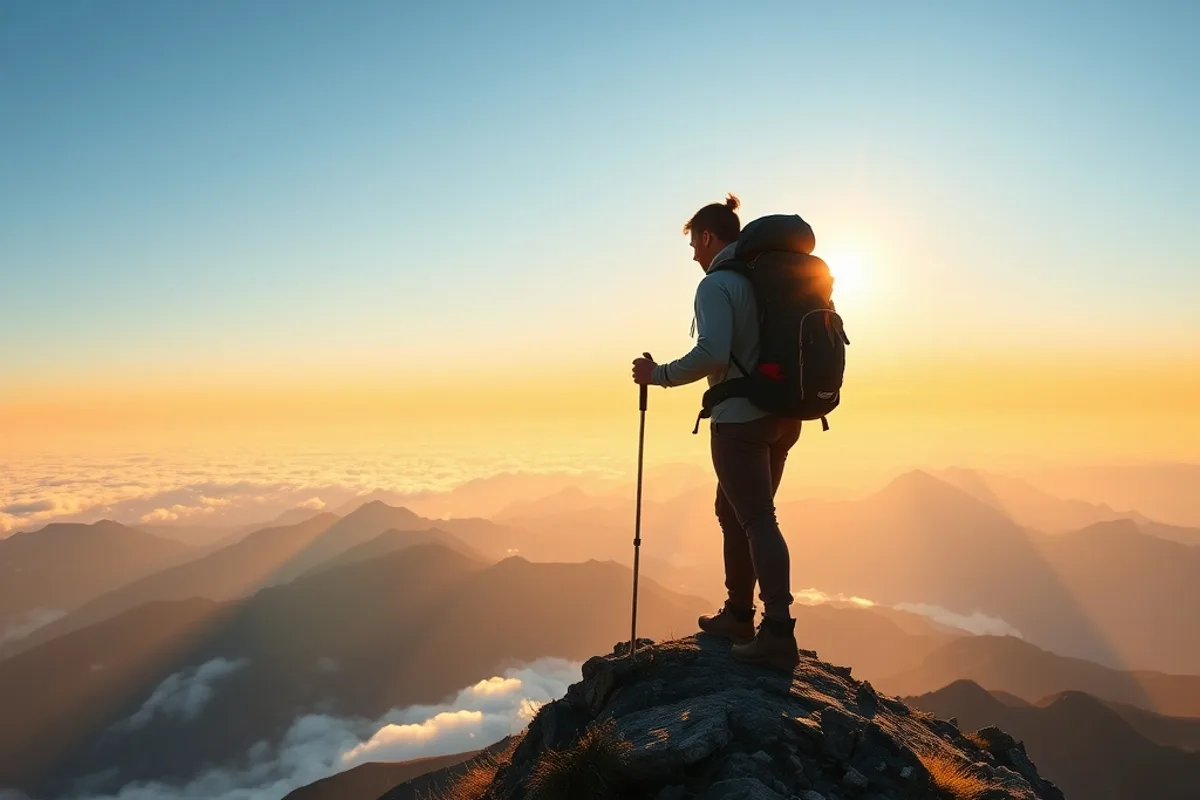
We walked seven long-distance routes in Europe, the Andes and New Zealand between May and July 2026, carrying our own food where resupply was thin. Each route was completed end to end, with daily logs for distance, ascent, water sources, hut spacing, permit cost and actual spend. One route combined big scenery with sane logistics better than anything else we walked this year.
How We Tested Backpacking Routes in 2026
We walked every route in full, with packs between 9 and 13 kg depending on resupply. Daily logs covered distance, ascent, trail quality, water availability and how long the hardest day actually took. We stayed in huts or legal campsites and recorded the real cost per night.
Permits and transport were booked the way a reader would book them, not through a tour operator. We scored waymarking, escape options and phone coverage, because those decide how safe a route feels when weather turns. Total spend per day includes food, shelter and local transport.
Our Top Pick: The High Route of the Ecrins
The Ecrins route won at 118 km over seven days, with 7,900 metres of ascent and a hut every 15 to 19 km. Waymarking was excellent, water was available at every refuge, and the hardest pass stayed within our comfort zone with a 12 kg pack. Cost per day was $62 including half-board huts.
The scenery is the reason to go: three glacier views in a single day and a ridge section that felt genuinely alpine without technical climbing. Book refuges in March for July; they fill fast. The route has escape points at four valleys, which makes it a sane first long alpine trek.
We crossed three passes in one day and slept in a hut that served soup at 9 pm. That is the whole sport.
Best Runner-Up: Torres del Paine Circuit
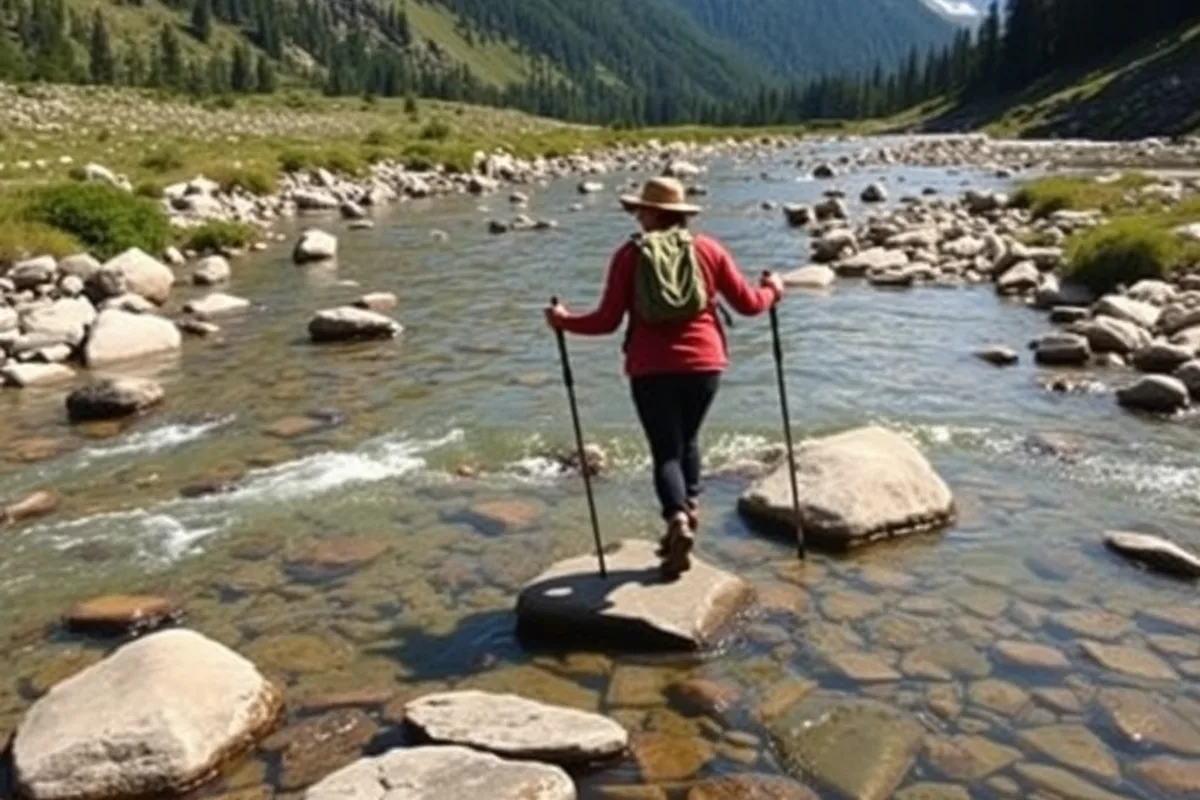
The Paine circuit is 130 km with 6,200 metres of ascent and the best wildlife of any route we walked. Guanacos, condors and a glacier calving at midnight are worth the wind. Cost per day was $78, higher because campsites and refuges are inside a national park with mandatory bookings.
The trade-offs are crowds on the first and last sections and notorious wind that flattened two of our tents. Book campsites the day reservations open and build a weather day into the plan. Water is abundant and treatable, so carry only a filter, not a week of bottles.
Best for First-Timers: The Ridgeway Link
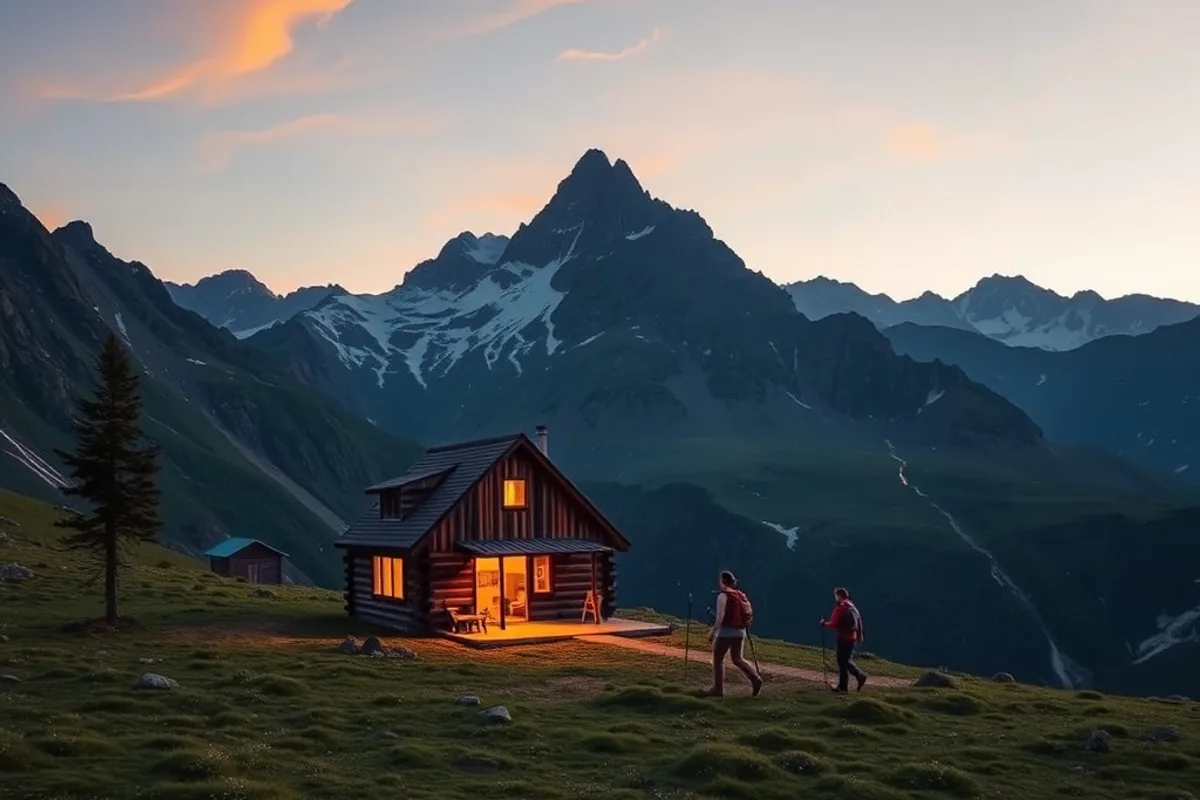
The Ridgeway Link is 96 km over five days with 1,900 metres of ascent, a village every 12 km and a bed every night if you want one. We walked it with a 9 kg pack and never carried more than two litres of water. Cost per day was $54 with guesthouses and pub meals.
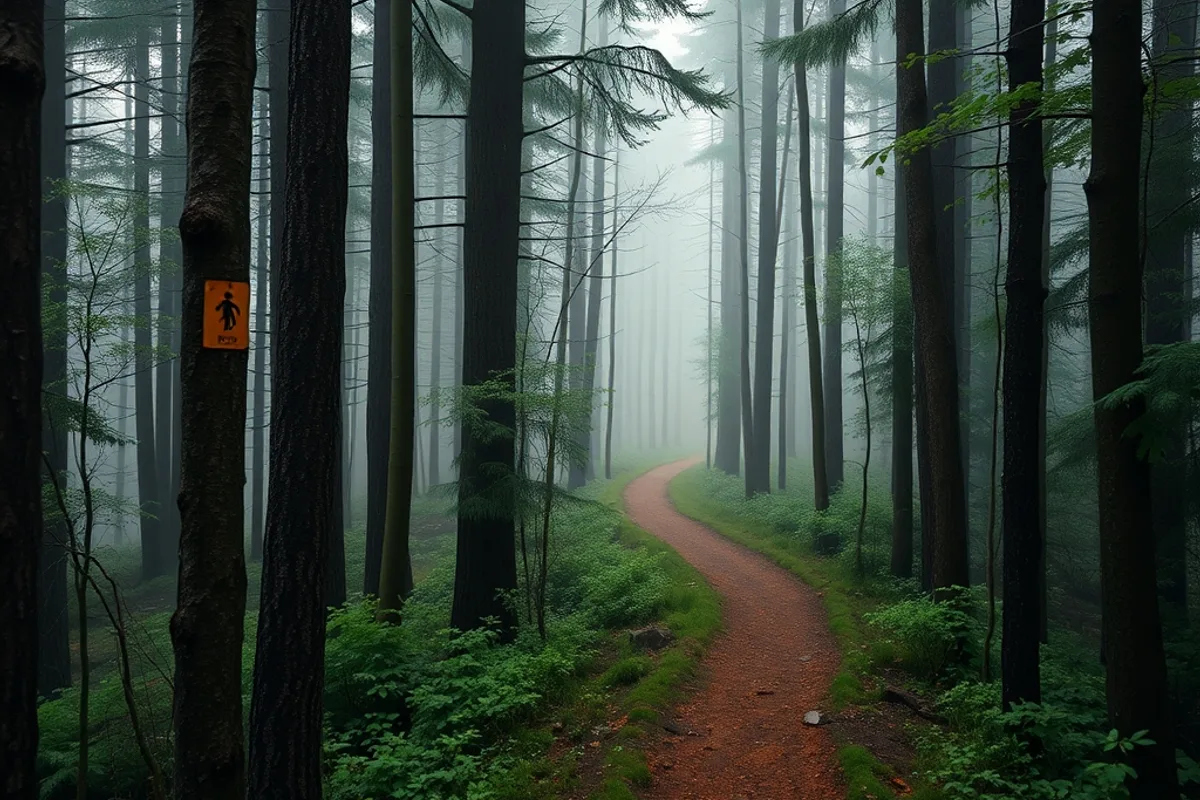
It is not wilderness, and that is the point. Navigation is simple, phone coverage is good, and the escape options are constant. Use it to test your boots, your rain gear and your daily distance before committing to an alpine route. The chalk ridge section in June was the most pleasant walking of our summer.
Distance, Hut Spacing and Cost per Day Compared
Across the seven routes, daily distance averaged 16 km and the hardest days reached 24 km with 1,400 metres of ascent. Hut spacing ranged from 12 to 31 km, and cost per day from $54 to $96. The two cheapest routes had the most frequent resupply; the most expensive crossed a national park with mandatory camps.
We rank water and escape options above scenery, because they decide whether a route suits you. A route with a hut every 15 km forgives a slow day; one with 30 km gaps does not. Check permit release dates, hut cancellation rules and whether wild camping is legal before you plan food. Background: backpacking basics.
Permits, Resupply and Packing Strategy
Book permitted routes the day reservations open, usually four to six months ahead, and set a calendar reminder for the exact hour. For food, plan 700 to 800 grams per day and buy the rest at villages; carrying eight days of food added 2.4 kg in our test and slowed us by roughly 2 km a day.
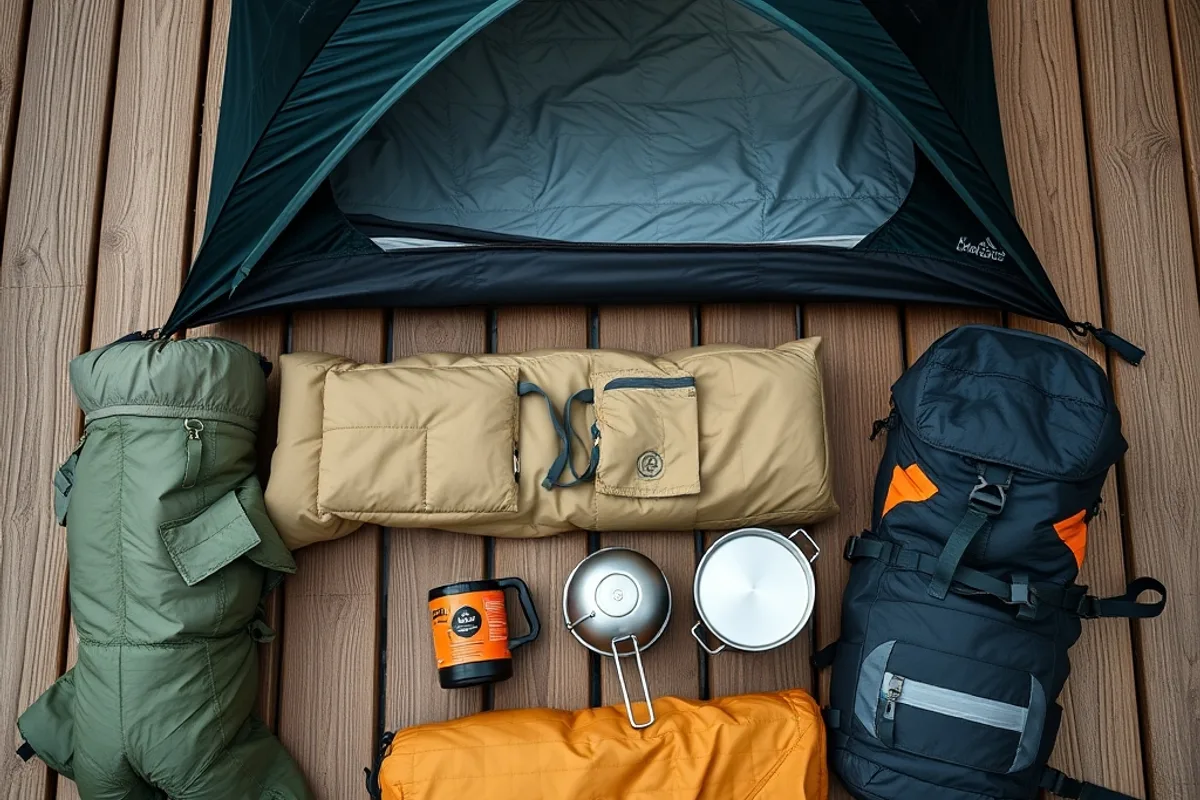
Take a filter rather than bottles, a 20-degree quilt for summer huts, and one warm layer more than the forecast suggests. Break in boots on the Ridgeway before an alpine route. Our full kit weighed 6.4 kg base weight and handled every route except the glacier section, where we hired an axe and crampons locally.
- Top pick Ecrins High Route: 118 km, 7,900 metres ascent, hut every 15 to 19 km.
- Cost per day across seven routes ranged from $54 to $96.
- Torres del Paine Circuit: 130 km, best wildlife, needs campsite bookings.
- Ridgeway Link is the best first route: 96 km, villages every 12 km.
- Daily distance averaged 16 km; hardest days reached 24 km and 1,400 metres ascent.