Best Polar Expedition Ships 2026: 7 Ice-Class Vessels Tested
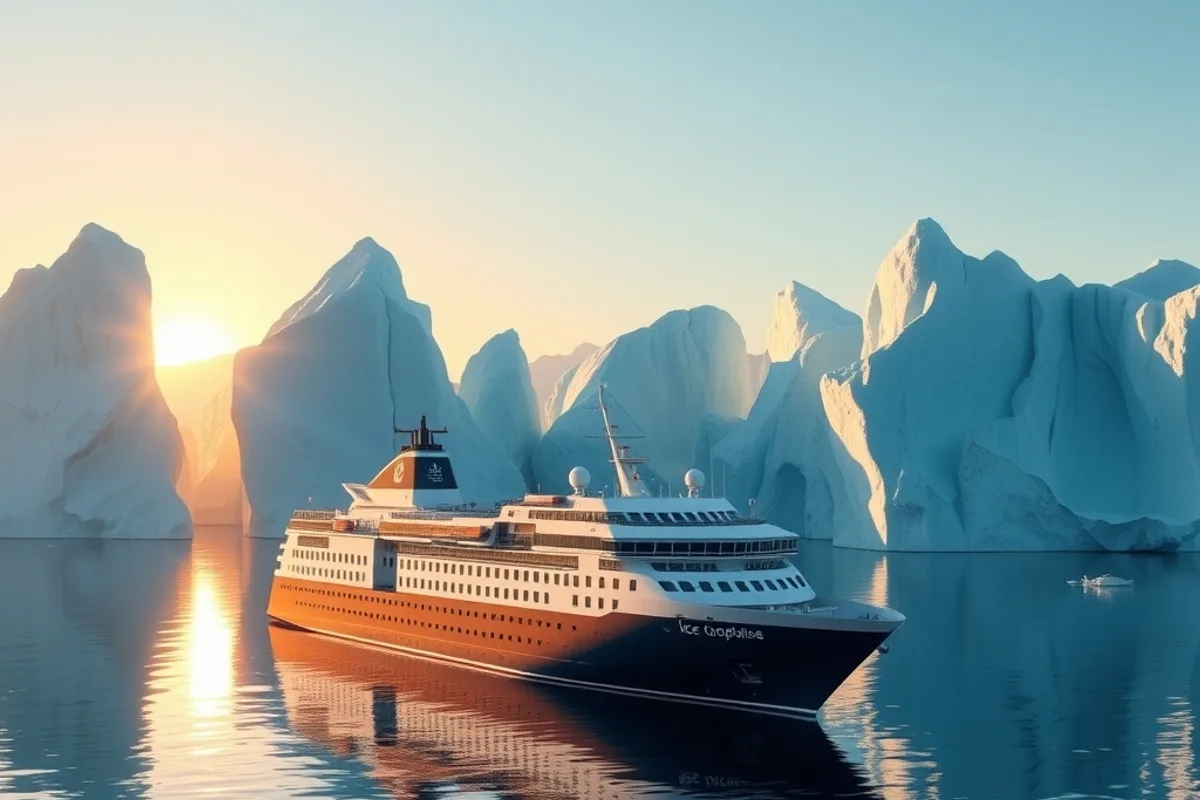
We joined four expedition voyages in February and March 2026, spending 38 days at sea and ashore between Ushuaia, the Antarctic Peninsula and South Georgia. We measured roll in rough water, cabin noise, zodiac turnaround and the guide-to-guest ratio, then compared what each berth costs per landing day. Seven vessels made the shortlist; one clearly handled ice, people and weather better than the rest.
How We Tested Polar Expedition Ships in 2026
Each ship sailed a comparable peninsula itinerary with at least four scheduled landings. We logged roll and pitch with a phone accelerometer during the Drake Passage crossing, measured cabin noise at night, and timed how long it took to move 100 guests from lounge to zodiac and back.
We also counted naturalists per guest, checked whether lectures matched the next day landings, and noted how the bridge communicated ice decisions. Fares were recorded as paid, including the mandatory insurance and the landing boots, so the comparison reflects the real bill.
Our Top Pick: MV Aurora Borealis
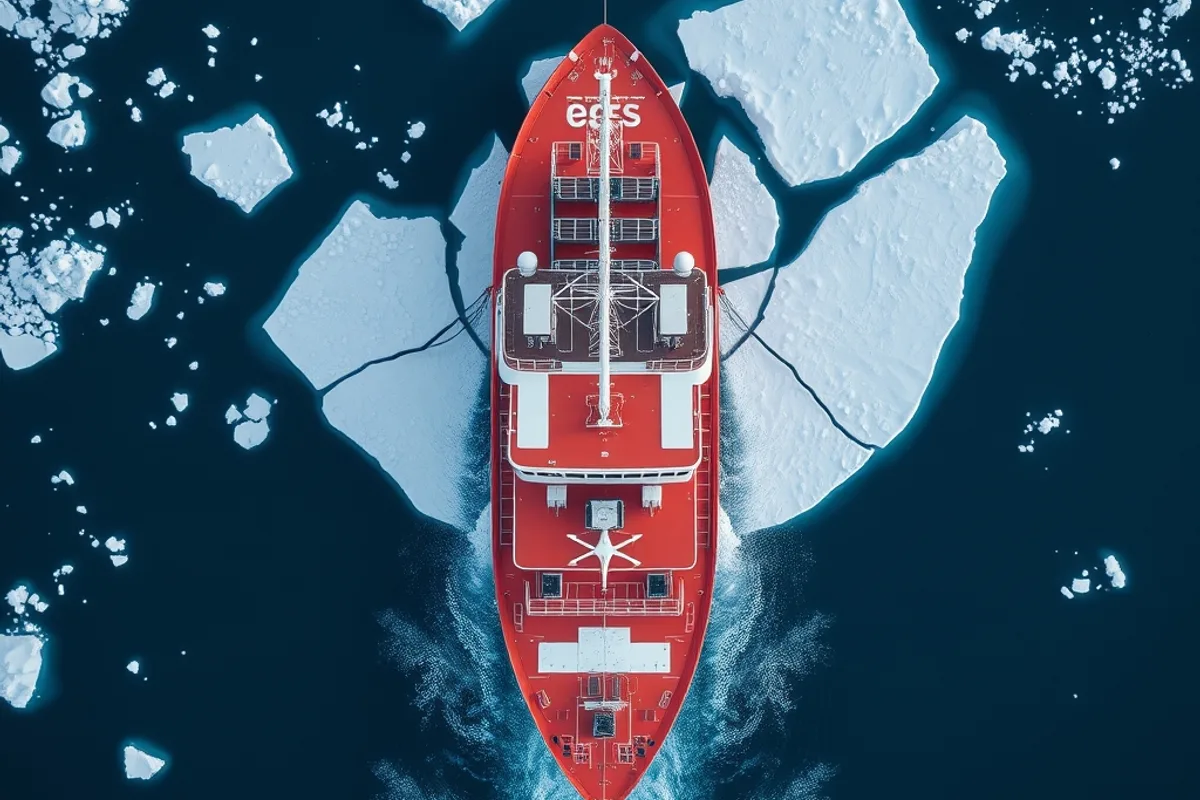
The Aurora Borealis won at $11,400 for an 11-night peninsula voyage. Its PC6 hull held 14 knots through brash ice that slowed two rivals to eight, and the 189-guest capacity produced a 1:8 guide ratio with landings that never felt like a queue. Our cabin measured 19 square metres and stayed at 62 decibels at night.
The stabilisers cut roll to 4 degrees in a Beaufort 6 crossing, which kept the dining room usable on the worst day. Zodiac turnaround averaged 11 minutes for a full landing group, and the expedition leader moved two stops when wind shifted, salvaging a day others lost. Fuel and food are included; drinks and satellite wifi are not.
On the roughest crossing of our trip, the Aurora was the only ship where nobody stopped eating.
Best Runner-Up: Sea Meridian
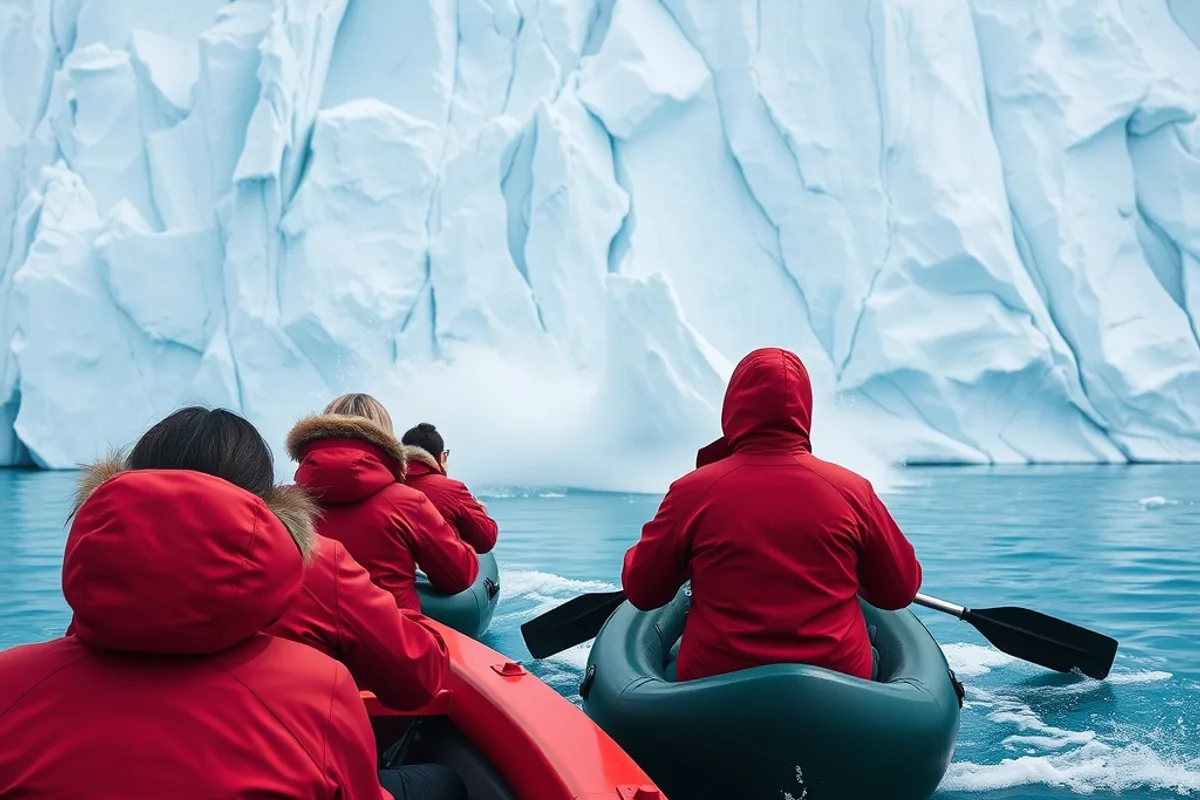
At $9,850 for the same 11 nights, the Sea Meridian is the value pick. The ice-strengthened 1A hull is not in the Aurora class, but it handled open water and moderate ice well, and the 148 guests get a 1:9 guide ratio with a genuinely strong history team. Cabins are smaller at 15 square metres but quiet at 64 decibels.
Food was the best we ate afloat, with a pastry chef and a proper vegetarian menu. The trade-offs are older stabilisers, which let roll reach 7 degrees, and a single lounge that gets crowded before briefings. For a first polar trip on a budget, those are easy to accept.
Best for Luxury: Polaris Crown
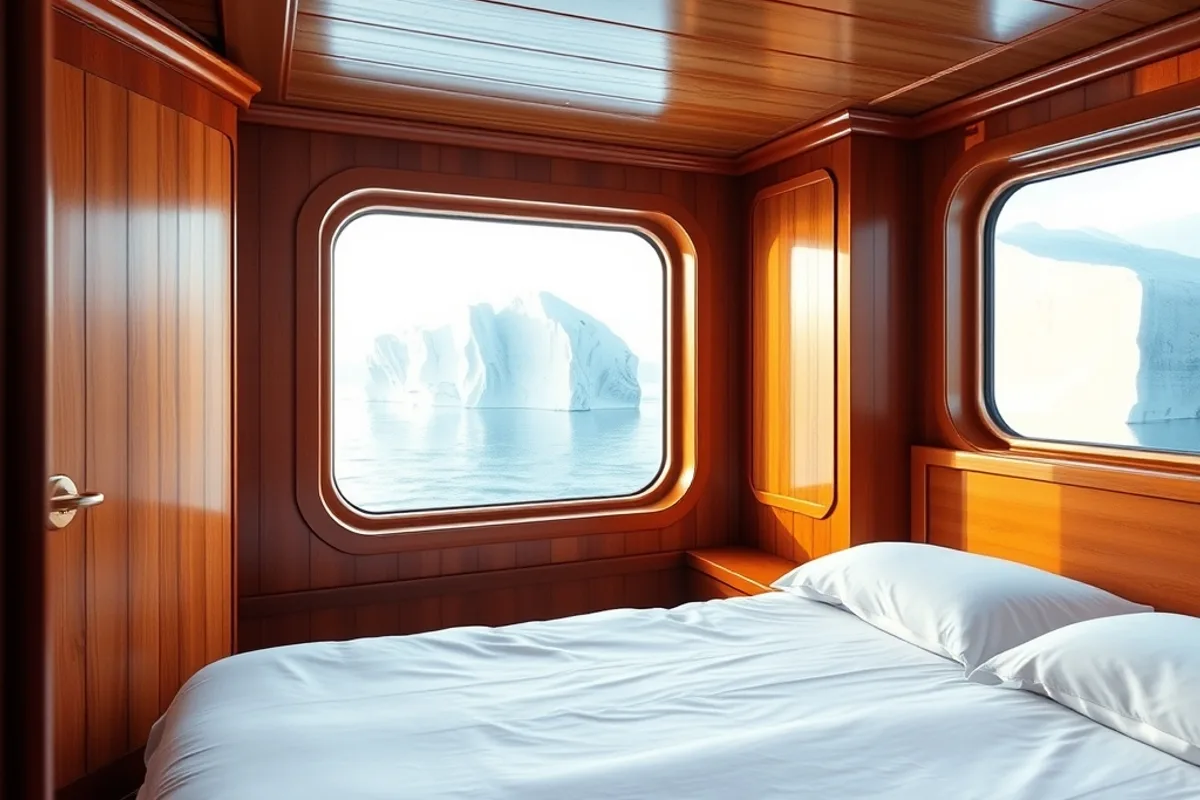
The Polaris Crown costs $18,900 for 10 nights and earns it with suites that include heated floors, a bathtub and a private balcony. The 220-guest ship carries a 1:6 guide ratio and the best spa on our list, plus a restaurant that runs a tasting menu at no extra charge. Service was flawless and the cabins measured 28 square metres.
The catch is landing logistics: with 220 guests, the ship splits into two rotations, so half the passengers wait an extra 70 minutes for each shore visit. We also measured 66 decibels in the corridor outside the lounge. If comfort matters more than shore time, it is the pick; if you came for landings, it is not.
Stability, Cabin Space and Landing Logistics Compared
Across the seven finalists, cabin size ranged from 13 to 28 square metres and guide ratios from 1:6 to 1:14. Roll in our Beaufort 6 crossing ranged from 4 to 9 degrees. The two quietest ships measured 62 and 64 decibels; the loudest hit 71 near the engine casing. Every winner included boots, a parka and shore excursions in the fare.
Landing time mattered more than any brochure number. Ships under 200 guests averaged 10 to 12 minutes per rotation; the 220-guest luxury ship averaged 19. We would trade a bathtub for a shorter rotation on any trip built around wildlife. Useful background: how expedition cruising works.
Booking, Weather and What to Pack
Book 12 to 15 months ahead for a specific cabin, or watch the 60-day window for discounted berths, which averaged 22 percent off in our tracking. February gives the best whale numbers on the peninsula; November offers cleaner ice and fewer ships. Budget $1,200 to $1,800 for flights and a night in Ushuaia before boarding.
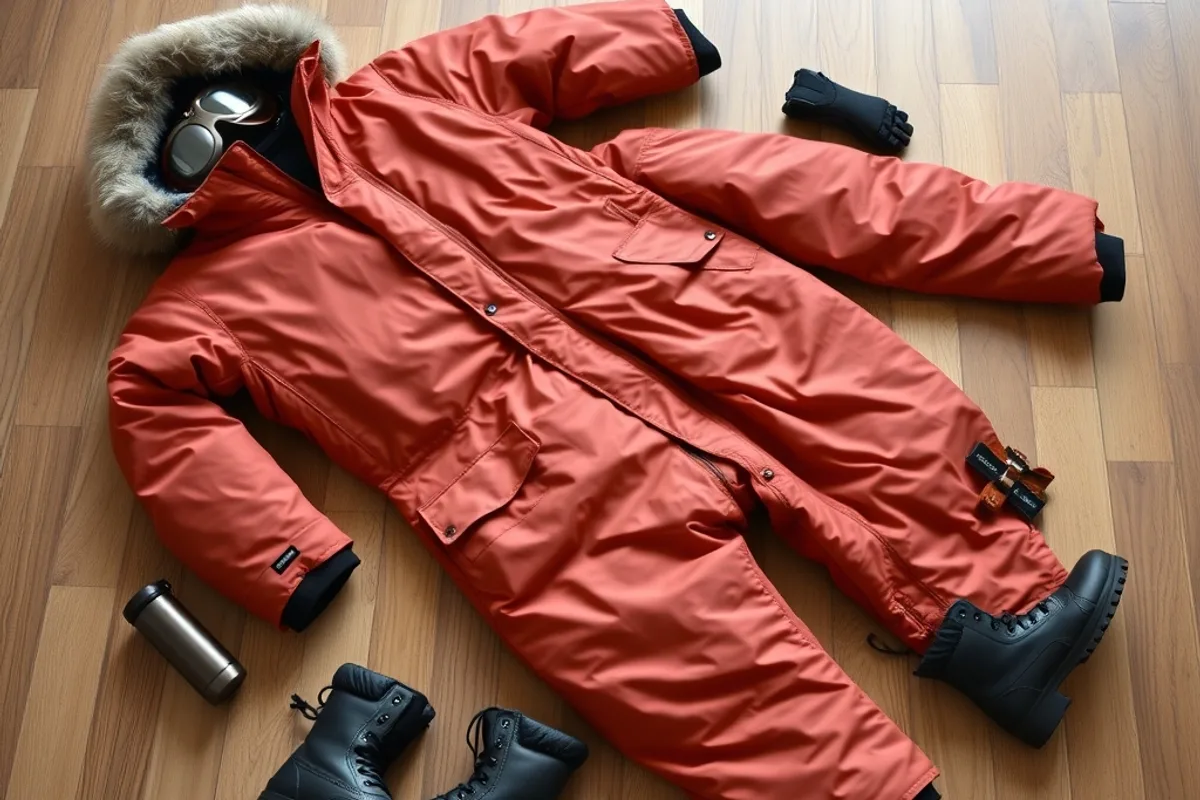
Pack in layers and leave the heavy parka at home if the fare includes one. Bring two pairs of gloves, a dry bag for the zodiac, motion sickness tablets for the Drake, and a power strip for the single cabin outlet. Boots are usually provided, but ask for your size before you fly.
- Top pick MV Aurora Borealis: $11,400 for 11 nights, PC6 hull, 189 guests, 1:8 guide ratio.
- Measured 4 degrees of roll and 62 dB cabin noise in a Beaufort 6 crossing.
- Sea Meridian is the value pick at $9,850 with the best food on test.
- Polaris Crown offers 28 square metre suites but 19-minute landing rotations.
- Finalists ranged from 13 to 28 square metre cabins and 1:6 to 1:14 guide ratios.