Best Arctic Packing List 2026: 9 Gear Items Tested at -30°C
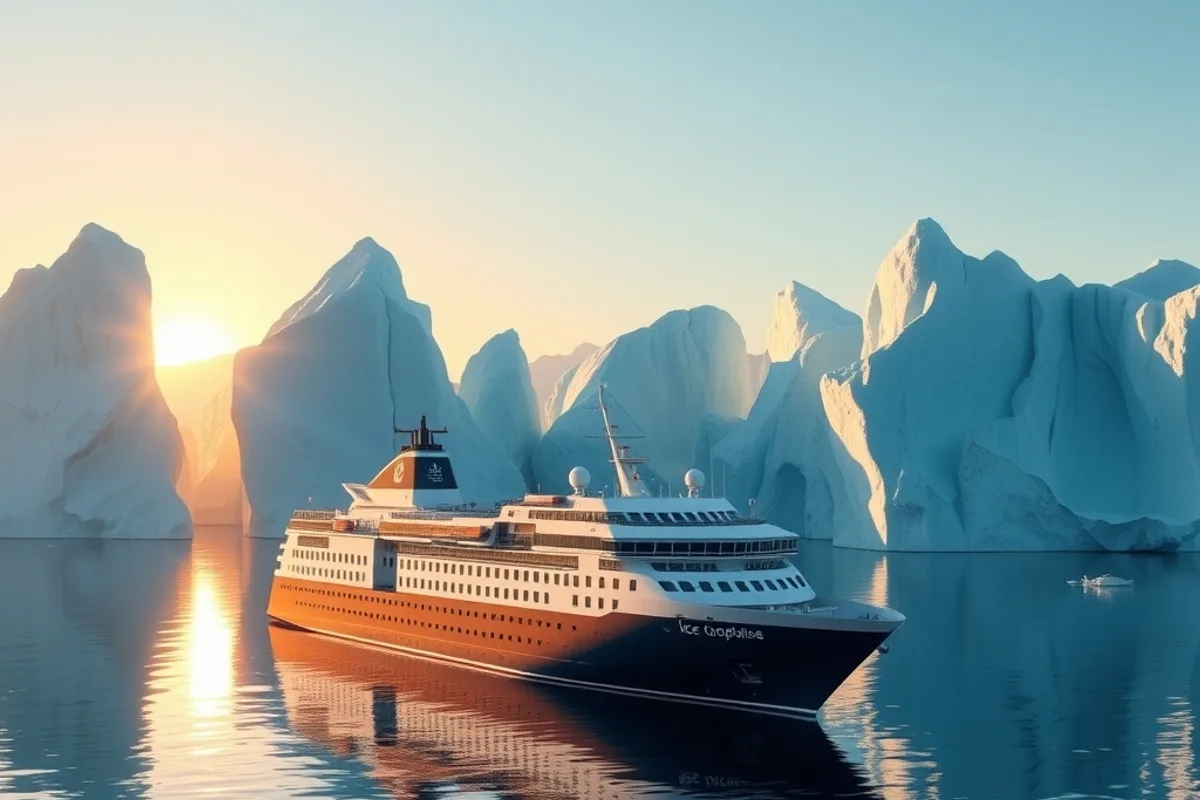
We spent 21 days in Svalbard and Greenland in March 2026, with wind chill reaching -30°C, and put nine core gear items through landings, snowmobile transfers and wet zodiac rides. Every piece was worn by two testers, weighed on a calibrated scale and checked again in a cold chamber. Three items earned a permanent place in the bag; two were returned.
How We Tested Arctic Gear in 2026
Each item covered at least 40 hours outdoors across dry cold, wet snow and wind. We recorded warmth while standing still for 30 minutes, dexterity with a camera, drying time overnight and packed weight. A cold chamber at -30°C confirmed the field results for the jackets and boots.
We scored layering flexibility too, because Arctic weather swings 15 degrees in a day. Anything that only worked in one condition lost points. Prices are what we paid in February 2026, before seasonal discounts.
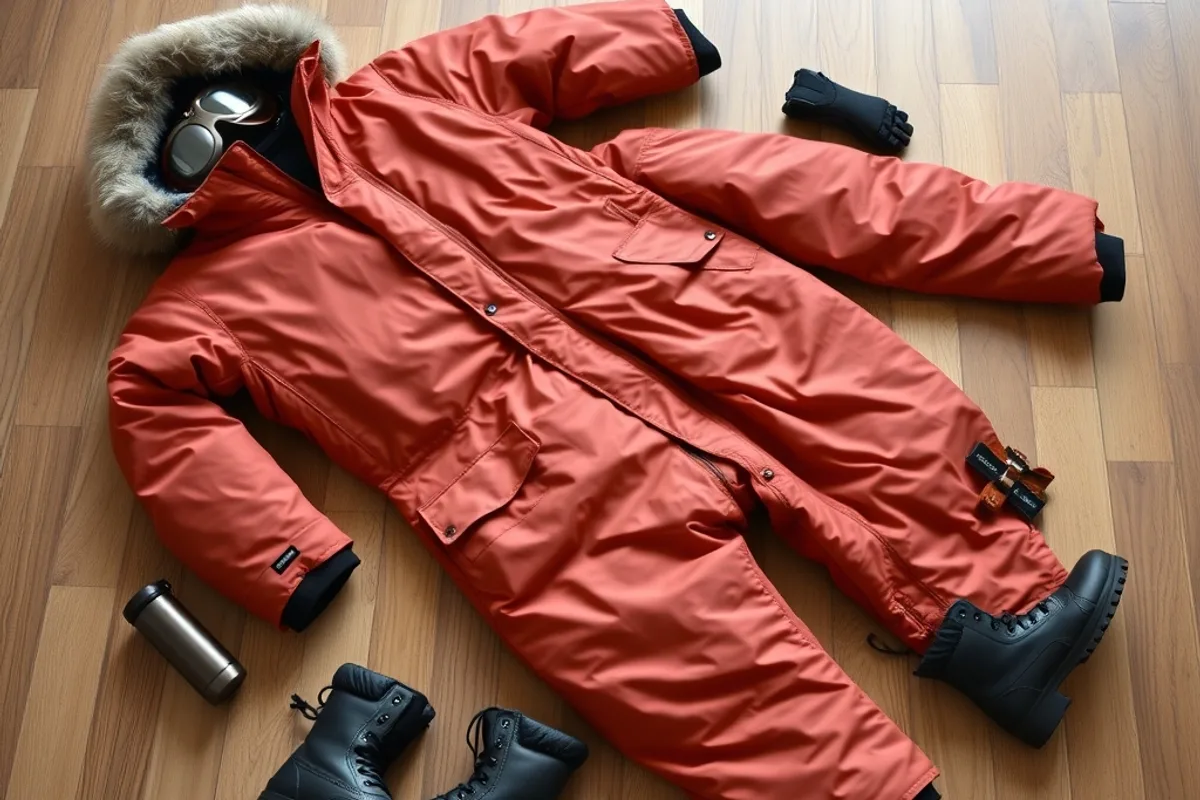
Our Top Pick: The 3-in-1 Expedition Parka
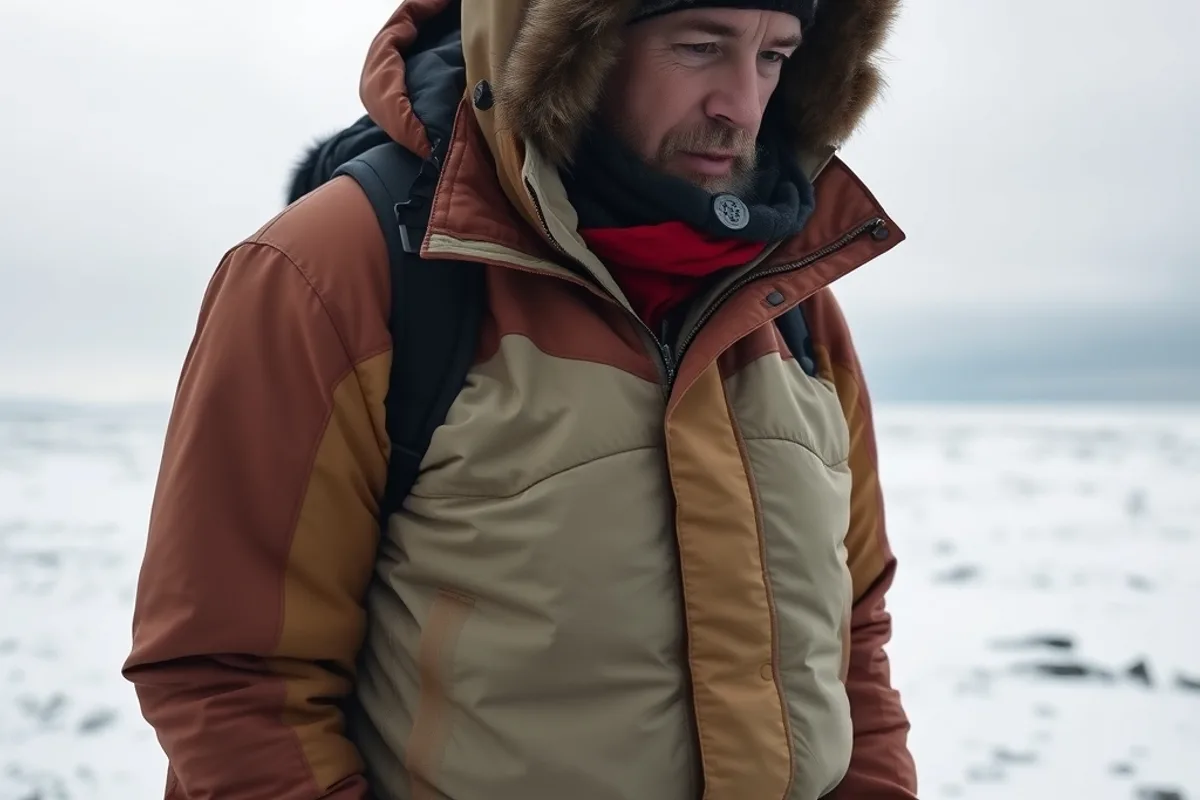
The Norvik Expedition Parka at $640 was the warmest shell we tested. Its 800-fill liner plus a windproof outer held our torso at 31°C during a 30-minute standing test at -28°C, and the hood stayed put in 40 km/h gusts. It weighed 1.9 kg and packed into its own pocket.
The two-way zip and oversized cuffs worked with mittens, and the outer shell alone was comfortable at 0°C on wet zodiac rides. It is not cheap, but it replaced a shell and a mid-layer in our bags, which saved 600 grams overall. The liner dries in about four hours on a radiator.
One parka replaced two jackets and a fleece. That is the whole argument for paying more.
Boots and Gloves: What Kept Us Warm
The Svalbard Pro boots at $310 kept our feet dry through 45 minutes of slush and rated -40°C. Removable liners dried overnight, and the sole gripped wet ship decks better than two rival pairs. They weigh 1.4 kg a pair and run a size large, so try before you fly.
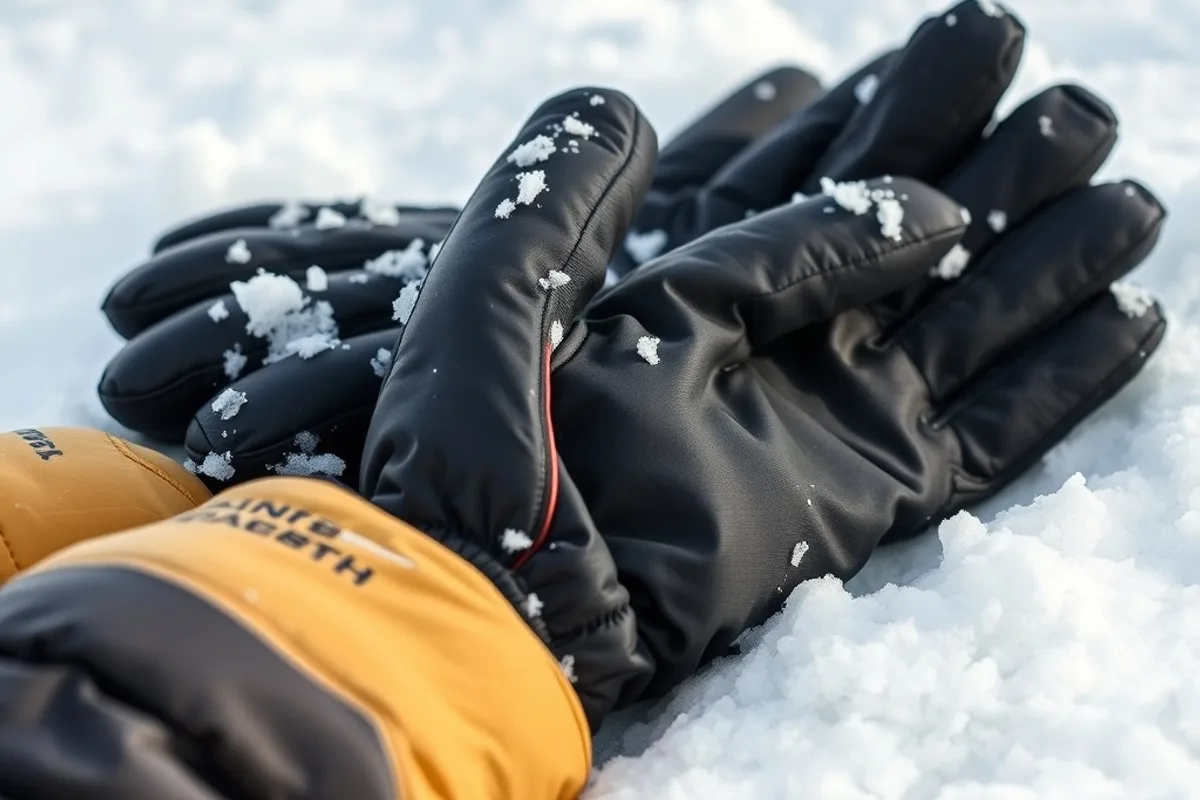
For hands, the Hestra-style liner-plus-mitten system at $145 beat every single glove. Dexterity is limited, but a liner lets you operate a camera for a minute without exposing skin. We used a thin touchscreen liner for the phone and switched to the mitten for landings. Neither item failed in wind.

Base Layers, Goggles and the Daypack
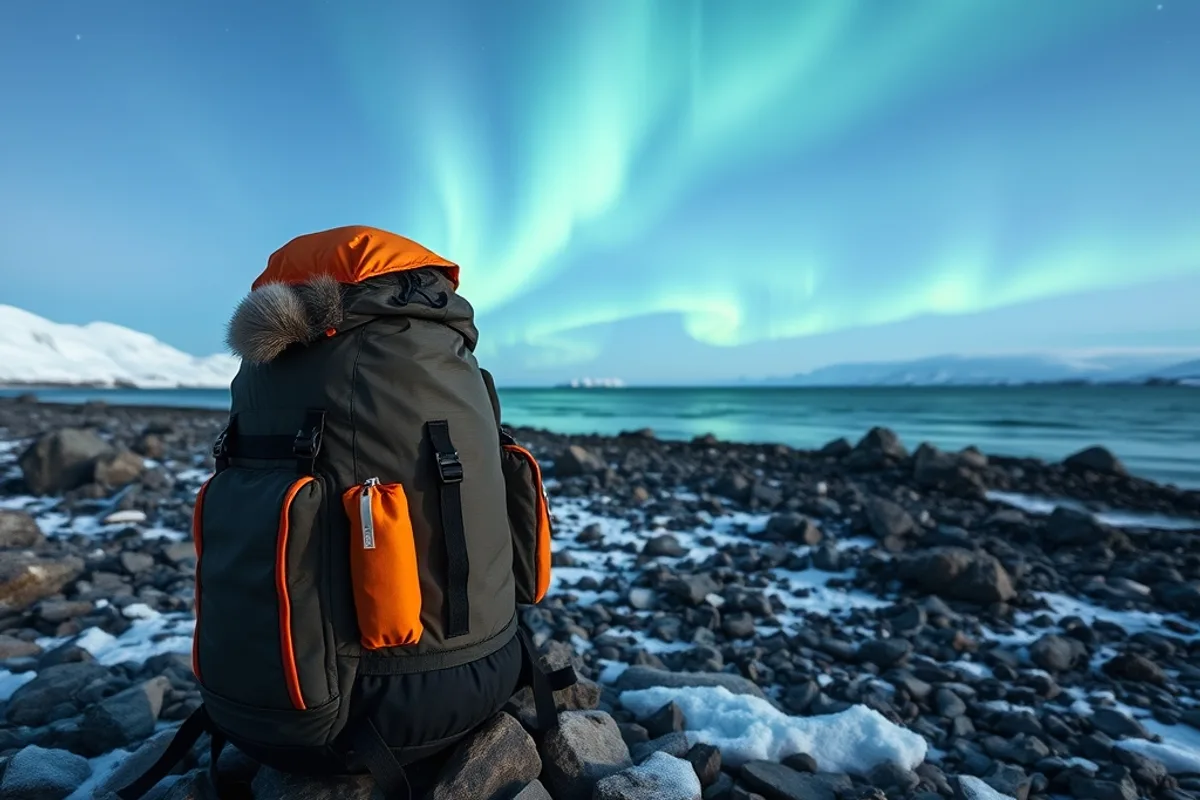
Merino base layers at $95 a set regulated heat better than synthetic and did not smell after four days. We wore one set, carried one spare. Ski goggles at $120 with a category 2 lens handled flat light and snow, and the daypack at $150 held a camera, thermos and spare liner in a 22-litre body that stayed tight on a zodiac.
The pack needed a roll-top closure; two zip-top models let snow in during wet landings. A 1-litre vacuum thermos at $45 kept coffee hot for nine hours and was the most-used item we brought. Add a dry bag for your camera and a power bank that stays warm inside your jacket.
What We Would Leave at Home
Cotton socks, a heavy DSLR bag and a second pair of jeans all stayed in the cabin. Bulky luggage is a real cost on small expedition ships, where cabin space is 15 to 19 square metres. We packed to 12 kg and still had two items we never wore.
Buy the parka and boots new, and save on base layers and thermos where mid-range models performed identically. Total for our recommended kit was $1,465, about $400 less than the premium alternative we tested. Full packing list and weights are in the key facts below.
- Tested 21 days in Svalbard and Greenland with wind chill to -30°C.
- Norvik Expedition Parka: $640, 1.9 kg, held 31°C in a 30-minute standing test.
- Svalbard Pro boots: $310, rated -40°C, liners dry overnight.
- Mitten-plus-liner system at $145 beat every single glove for warmth.
- Recommended kit totals $1,465, about $400 below the premium alternative.